From Hocera: Your Trusted Partner in Digital Dentistry
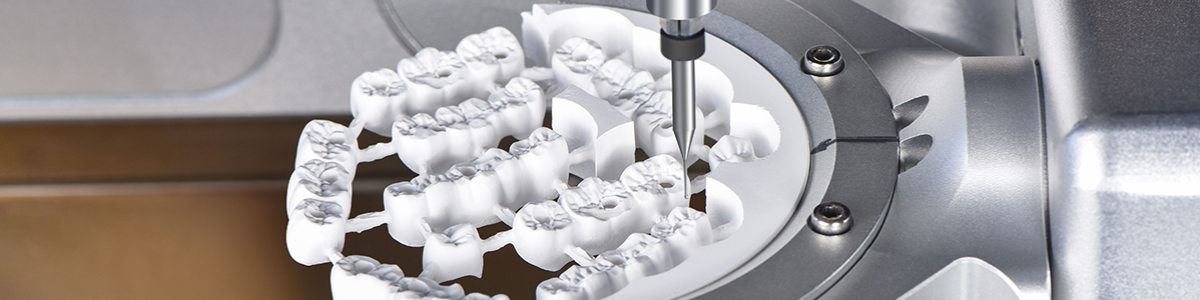
With the rapid evolution of digital dental technology, the production cost of dental restorations has been significantly reduced, without compromising quality. One of the most transformative advancements is the widespread adoption of آلات طحن الأسنان, which form the backbone of modern CAD/CAM workflows.
At Hocera, we offer cutting-edge digital solutions to dental laboratories worldwide. As part of our comprehensive portfolio, understanding the distinctions between dry milling machines و wet milling machines is essential for choosing the right system based on the materials you process.
🔷 Dry Milling Machines
Dry milling is a preferred method for processing certain dental materials. Here’s why:
✔ Ideal for specific materials
Dry milling machines are optimized for non-metallic materials such as:
- أقراص الزركونيا
- أقراص PMMA
- Wax blocks
- PEEK materials
✔ No coolant system required
These machines operate without the use of cooling liquid, eliminating the need for internal fluid channels or nozzles. This simplifies the mechanical structure and reduces operational complexity.
✔ Requires dust management
Dry milling can generate significant heat and airborne particles, making efficient dust extraction and air-cooling systems critical for consistent performance and operator safety.
✔ Lower maintenance
With fewer moving parts and no fluid system, dry milling machines are easier to maintain, helping labs reduce downtime and operational costs.
🔷 Wet Milling Machines
Wet milling systems offer distinct advantages for advanced materials and precision processing.
✔ Suitable for harder materials
Wet milling is essential for materials that are sensitive to heat or require smoother finishes, including:
- Titanium alloys
- Glass ceramics (e.g., lithium disilicate)
- Hybrid composites
✔ Integrated cooling system
Wet milling machines use continuous coolant circulation to reduce the cutting temperature. This protects both the material and the milling tools, extending their lifespan and preserving structural integrity.
✔ Superior surface finish and accuracy
Thanks to the cooling effect, wet milling achieves better marginal accuracy and smoother surface quality, especially important when milling highly aesthetic or load-bearing restorations.
✔ Higher maintenance requirements
The internal fluid system (coolant pumps, filters, nozzles) requires regular cleaning and upkeep, making wet milling slightly more complex in terms of daily operation.
🦷 Which One Should You Choose?
في هوسيرا, we help dental labs around the world select equipment based on their unique material workflows. If you primarily work with zirconia, PMMA, or wax, a dry milling system offers simplicity and cost efficiency. However, if you produce glass ceramic restorations or زرع abutments, a wet milling machine is often indispensable for clinical precision.
Need expert guidance on choosing the right آلة طحن الأسنان for your lab?
👉 اتصل بهوسيرا اليوم for a one-on-one consultation.