Author: Hocera – Premium Dental Zirconia Manufacturer
When patients are told they need a dental crown, many hesitate—“Isn’t a filling enough?” In reality, crowns play a crucial role in protecting and restoring damaged teeth. In this article, Hocera will guide you through the most common crown materials—especially zirconia, which is gaining popularity in modern dentistry.
What Is a Dental Crown?
A dental crown is a cap-like restoration placed over a damaged tooth. Once bonded in place, it restores the tooth’s shape, strength, and appearance, helping it function like a natural tooth. Crowns are used in cases where fillings aren’t sufficient or when teeth need reinforcement after trauma or decay.
When Do You Need a Crown?
Crowns are recommended in the following situations:
🔹 Extensive tooth decay or damage
🔹 Post-root canal treatment (to protect brittle teeth)
🔹 Microcracks in teeth (e.g., cracked tooth syndrome)
🔹 Severe tooth wear, dentin hypersensitivity, or occlusal imbalance
🔹 Cosmetic correction of shape or color
🔹 As abutments for dental bridges or removable partial dentures
The 4 Most Common Crown Materials (Compared)
1. Resin Crowns
- Material: Plastic-based
- Pros: Low cost, aesthetic
- Cons: Weak, wears easily
- Use: Temporary crowns only

2. Metal Crowns
- Material: Cobalt-chrome, titanium, or precious alloys
- Pros: Very strong and durable
- Cons: Poor aesthetics (metallic color)
- Use: Posterior teeth with limited space

3. Porcelain-Fused-to-Metal (PFM) Crowns
- Material: Metal core with ceramic overlay
- Pros: Better aesthetics than metal crowns
- Cons: Risk of ceramic chipping; metal may show over time
- Use: General-purpose, cost-effective crown option

4. All-Ceramic Crowns (Glass & Zirconia)
- Material: Glass ceramics or zirconia ceramics
- Pros: Best aesthetics, metal-free, biocompatible
- Cons: Strength varies by material type
- Use: Anterior or posterior teeth (based on material)

Why Zirconia Is Becoming the Gold Standard
As a leading manufacturer of dental zirconia blocks, Hocera recommends zirconia crowns for their perfect balance of strength and aesthetics. Compared with other ceramics, zirconia offers:
- ✅ High flexural strength (suitable for molars and bruxism patients)
- ✅ Excellent biocompatibility
- ✅ Natural-looking color and form
- ✅ Long-term durability with minimal wear
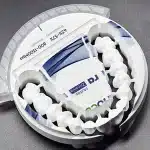
There are multiple types of zirconia materials used today, such as:
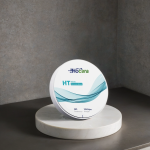
- HT (High Translucency Zirconia) – Ideal for anterior restorations
- ST (Super Translucent Zirconia) – Balances strength and beauty
- ML (Multilayer Zirconia Blocks) – Mimics the gradient of natural enamel and dentin
- 5Y zirconia blocks – Offering different levels of strength and translucency for various cases
💡 Explore Hocera’s advanced multilayer zirconia solutions designed for superior esthetics and efficiency in dental laboratories.
Choosing the Right Crown: Cost vs. Value
While resin crowns may cost around $100, high-end zirconia crowns can reach up to $1,000, depending on the brand, processing, and lab technique. However, investing in premium zirconia materials ensures long-term performance, better patient satisfaction, and fewer remakes for dental labs.
Final Thoughts
Crowns are not just about restoring function—they also represent your smile and confidence. Choosing the right material depends on your clinical needs, aesthetic goals, and budget.
At Hocera, we specialize in dental zirconia blocks, offering cutting-edge materials for dental laboratories worldwide. Our full range includes:
- Multilayer zirconia discs for seamless gradient shading
- High-translucency zirconia blocks for anterior esthetics
- Full-strength zirconia (3Y) for posterior durability
👉 Visit [Hocera Official Website] or contact our team to explore our zirconia product catalog, tailored for modern CAD/CAM systems.