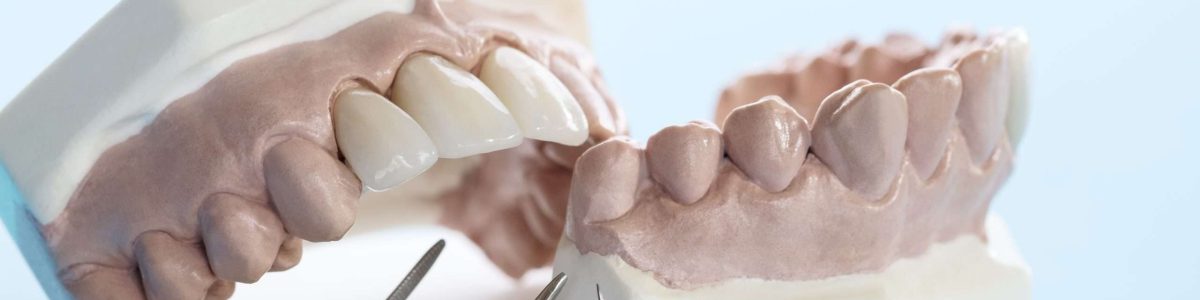
Fixed dentures remain a trusted solution for restoring partial tooth loss. They rely on adjacent natural teeth (abutments) to support artificial crowns or bridges that restore function and aesthetics. But not every case is suitable — successful outcomes depend on several critical factors. Hocera outlines the essentials every lab, clinic, or practitioner should evaluate when planning fixed restorations.
1️⃣ Number of Missing Teeth
Fixed bridges work best when 1–2 teeth are missing in a single span. If more than two teeth are missing, they should be spaced apart so that there’s enough healthy abutment support on both sides. Overloading the abutments risks long-term failure.
2️⃣ Position of the Missing Teeth
Fixed dentures can restore gaps in any part of the arch — front or back — if the abutment teeth meet strength requirements. For example, if second molars are missing but the first molars and second premolars are healthy, they can anchor a cantilevered fixed bridge.
3️⃣ Conditions of the Abutment Teeth
A successful fixed restoration depends on strong, healthy abutments. Ideal conditions include:
- 🦷 Good crown height & normal shape
- 🦷 Strong, stable roots with no excessive mobility
- 🦷 Vital pulp (or fully treated root canals, asymptomatic for at least 3 months)
- 🦷 Healthy periodontal tissue — no significant bone loss (no more than 1/3 of the root)
- 🦷 Correct axial alignment — teeth should not be severely tilted or rotated
If a crown is too short, extra retention options or additional abutments may be needed for stability.
4️⃣ Occlusion Must Be Favorable
The bite relationship in the edentulous area should be basically normal to avoid undue stress on the prosthesis or natural teeth.
5️⃣ Timing After Tooth Extraction
Fixed dentures should be fitted about three months after extraction, once the alveolar ridge stabilizes. Excessive bone resorption — especially in the front — may reduce aesthetics and functional support.
6️⃣ Appropriate Age Range
Ideal candidates are 18–60 years old.
- 👶 Younger patients often have larger pulp chambers, increasing the risk of pulp injury during prep.
- 👵 Older patients may have advanced gum recession or loosened teeth, making fixed restorations less reliable.
✔️ Trust Hocera for Reliable Restorations
As restorative demands grow worldwide, Hocera supports dental labs and clinics with high-quality zirconia materials, precise CAD/CAM solutions, and expert training. From crowns to bridges, we help you deliver predictable, aesthetic results for every patient case.
Contact Hocera today — let’s create reliable smiles together.
Tags: fixed denture, crown and bridge restoration, dental prosthetics, Hocera